As eCommerce continues to grow, efficient order fulfillment has become a critical factor in customer satisfaction and profitability. One of the most widely used methods in modern warehousing is pick and pack fulfillment.
Whether you’re a small business shipping dozens of orders a day or a scaling brand handling thousands, understanding how pick and pack works can help you reduce costs, improve accuracy, and speed up delivery times.
In this guide, we’ll break down everything you need to know about pick and pack fulfillment — including how it works, what it costs, and how to optimize it.
What Is Pick and Pack Fulfillment?
Pick and pack fulfillment is the process of selecting (picking) products from inventory and packaging (packing) them for shipment to customers.
Instead of shipping bulk pallets to retailers, this method focuses on individual order fulfillment, making it ideal for eCommerce businesses and a core component of modern eCommerce fulfillment services.
The process typically involves:
- Receiving inventory
- Storing products in bins or shelves
- Picking items per order
- Packing them into boxes
- Shipping directly to customers
This system is designed for speed, accuracy, and scalability.
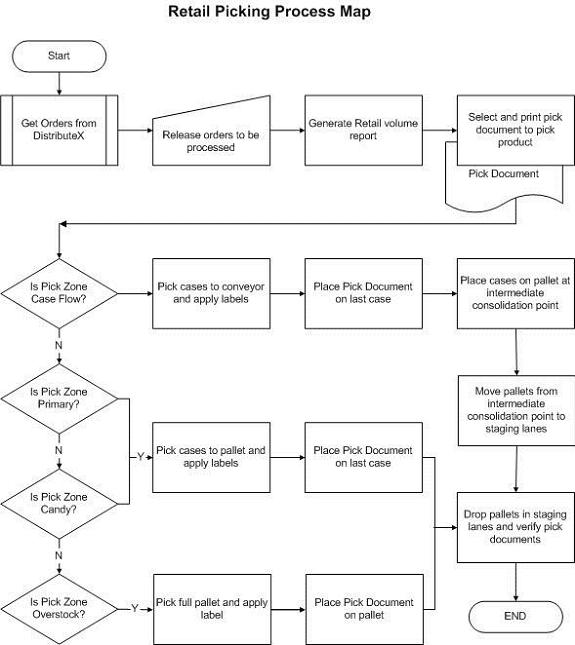
How the Pick and Pack Process Works
1. Inventory Storage
Products are organized in bins, shelves, or pallet locations based on size, demand, and SKU. Many warehouses improve efficiency by using systems like Merchant Bin Store fulfillment, which allows for faster SKU-level access.
2. Order Received
When a customer places an order, it is sent to the warehouse management system (WMS).
3. Picking
Warehouse staff retrieve the items from their storage locations.
4. Packing
Items are packed securely with the correct materials and labeled for shipping.
5. Shipping
Orders are handed off to carriers for delivery.
Types of Picking Methods
Different picking strategies can significantly impact efficiency:
Single Order Picking
Each order is picked one at a time
✔ Simple
❌ Slower for high volume
Batch Picking
Multiple orders are picked simultaneously
✔ Reduces travel time
✔ Improves efficiency
Zone Picking
Workers are assigned specific warehouse zones
✔ Faster for large warehouses
✔ Reduces congestion
Wave Picking
Orders are grouped by shipping times or priorities
✔ Optimizes workflow
✔ Improves delivery speed

Pick and Pack Fulfillment Costs Explained
Understanding costs is key to improving profitability.
Typical pick and pack fees include:
1. Pick Fee
Charged per item picked
Example: $0.20–$1.00 per item
2. Pack Fee
Cost to package the order
Includes labor and materials
3. Packaging Materials
Boxes, tape, inserts, and protective materials
4. Storage Fees
Based on pallet, bin, or square footage
5. Shipping Costs
Carrier charges based on weight, size, and distance
Best Practices to Improve Pick and Pack Efficiency