
As eCommerce continues to evolve, brands are under increasing pressure to ship faster, manage more SKUs, and control fulfillment costs — all without overcommitting to warehouse space. Traditional pallet-based warehousing often fails to meet these needs, especially for modern eCommerce businesses with diverse product catalogs and fluctuating inventory levels.
This is where merchant bin store fulfillment comes in.
Bin-based fulfillment is a flexible, efficient warehousing model built specifically for today’s eCommerce operations. Instead of storing products on full pallets, inventory is organized into individual bins, allowing for faster picking, better space utilization, and lower costs for growing brands.
In this article, we’ll break down what merchant bin store fulfillment is, how it works, and why eCommerce brands should seriously consider it as they scale.
What Is Merchant Bin Store Fulfillment?
Merchant bin store fulfillment is a warehouse storage and order fulfillment method where individual SKUs are stored in labeled bins rather than on pallets or large shelving units designed for bulk inventory.
Each bin typically contains a single SKU or product variation and is strategically placed within a picking system that prioritizes speed and accuracy. Warehouse staff can quickly locate items, pick orders efficiently, and move them directly to packing stations.
This model is especially effective for:
-
Brands with many SKUs
-
Products with small to medium unit sizes
-
Businesses that sell direct-to-consumer (DTC)
-
Companies experiencing frequent inventory changes
Unlike pallet storage, bin fulfillment doesn’t require brands to maintain high inventory volumes to justify the space they’re paying for.
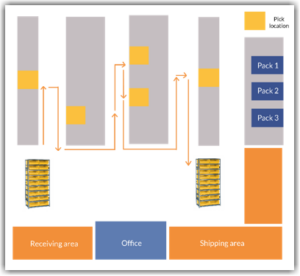
How Bin Store Fulfillment Works
Key Benefits of Merchant Bin Store Fulfillment
Who Benefits Most from Bin Store Fulfillment?
Merchant bin store fulfillment is especially well-suited for:
-
Apparel and fashion brands
-
Beauty and cosmetics companies
-
Health and wellness products
-
Subscription box businesses
-
Consumer packaged goods (CPG) brands
-
Startups and fast-growing eCommerce sellers
If your brand ships individual units rather than bulk pallets, bin fulfillment is likely a better operational fit.
Bin Fulfillment vs Pallet Storage: A Quick Comparison
| Feature | Bin Store Fulfillment | Pallet Storage |
|---|---|---|
| Ideal for eCommerce | ✅ Yes | ❌ No |
| SKU flexibility | High | Low |
| Storage efficiency | Excellent | Inefficient for small volumes |
| Picking speed | Fast | Slower |
| Cost predictability | Usage-based | Fixed minimums |
Why Bin Fulfillment Scales Better as You Grow
Why eCommerce Brands Should Care Right Now
Consumer expectations are rising, shipping windows are shrinking, and competition is fierce. Brands that rely on outdated fulfillment models risk falling behind on both cost and customer experience.
Merchant bin store fulfillment gives eCommerce brands:
-
Speed without overpaying
-
Flexibility without chaos
-
Accuracy without complexity
For companies focused on sustainable growth, bin fulfillment isn’t just a storage method — it’s a competitive advantage.
Final Thoughts
Merchant bin store fulfillment represents a smarter approach to modern eCommerce logistics. By prioritizing flexibility, efficiency, and cost control, bin-based warehousing aligns perfectly with how today’s brands sell and ship products.
If your business is growing, launching new SKUs, or struggling with pallet minimums, it may be time to rethink how your inventory is stored and fulfilled.